
A beautiful find by group member Gary Thompson at the first of three Cowden events
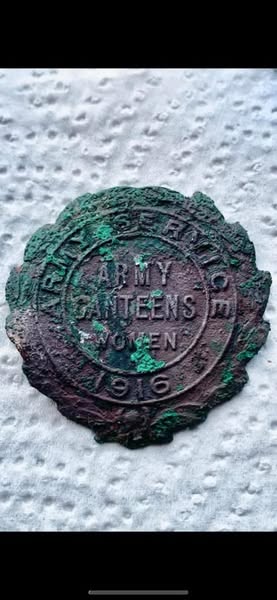
The history of military service during wartime often brings to light not only the brave actions of soldiers but also the vital roles played by those who supported them behind the scenes. Among these unsung heroes were the women who worked in army canteens during the First World War. One of the most interesting symbols of their contribution is the Army Canteens Women’s 1916 cap badge, a small but significant piece of military history.
The Role of Women in the Army Canteens
As the First World War dragged on and resources were stretched thin, the British Army began to recognise the importance of ensuring that soldiers were properly nourished and cared for. While many men were sent to the front lines, women were enlisted to manage army canteens, which played a crucial role in providing soldiers with food, drink, and other essential items. These women worked tirelessly, often in challenging and hazardous conditions, to maintain the morale of the troops and support the logistical needs of the army.
The women working in the army canteens were not officially part of the military but were employed by the Army Service Corps or similar organisations. Their work involved much more than simply providing refreshments; they offered a comforting touch of normalcy for soldiers who were far from home and in perilous situations.
The Army Canteens Women’s 1916 Cap Badge
The Army Canteens Women’s 1916 cap badge became a symbol of these women’s contributions to the war effort. Introduced during the height of the First World War, this badge was worn by women who served in the Army Canteens, signifying their official role and recognising their service.
The design of the cap badge is simple yet striking. It typically features a central motif, often related to food or supplies, set within a circular frame. While it might not carry the same level of recognition as other military insignia, its significance to those who wore it was immense. It was a symbol of pride, a recognition of the important work that was being done far from the front lines, and a connection to the soldiers who relied on their service.
Significance Beyond the Badge
For many of the women who worked in army canteens, the 1916 cap badge represented more than just their position; it was a symbol of their commitment to the war effort. These women were often seen as vital to the smooth running of military operations, and the badge served as a reminder of the often-overlooked roles that women played during wartime. It also served to inspire other women to join the workforce and contribute to the national effort.
The role of women in the army canteens was an essential part of the overall war effort, though it is frequently overshadowed by the stories of soldiers on the battlefield. These women faced their own set of challenges, from the long hours of work to the difficult conditions in which they operated. Yet their contribution to maintaining the soldiers’ morale, providing comfort in small but significant ways, cannot be overstated.
Legacy of the Army Canteens Women’s 1916 Cap Badge
Though the Army Canteens Women’s 1916 cap badge is not as well known as the insignia worn by military personnel, it remains a valuable piece of British military history. Today, it stands as a testament to the dedication and resilience of the women who served in army canteens. Their work was not glamorous, but it was crucial to the success of the war effort.
The story of the Army Canteens Women’s 1916 cap badge is one of quiet service, and it reflects the broader experience of women during the First World War. They may not have been in the trenches, but they were an integral part of the support system that sustained the men who were. The legacy of their service lives on in the history of the Great War and in the enduring recognition of the many ways in which women contributed to victory.
In recognising these contributions, we can remember that the war effort was not just about the battles fought on the front lines but also about the countless unseen roles that women took on to ensure the success of the nation’s fight. The Army Canteens Women’s 1916 cap badge is a small symbol, but one with a deeply significant meaning, representing the hard work and courage of the women who wore it.
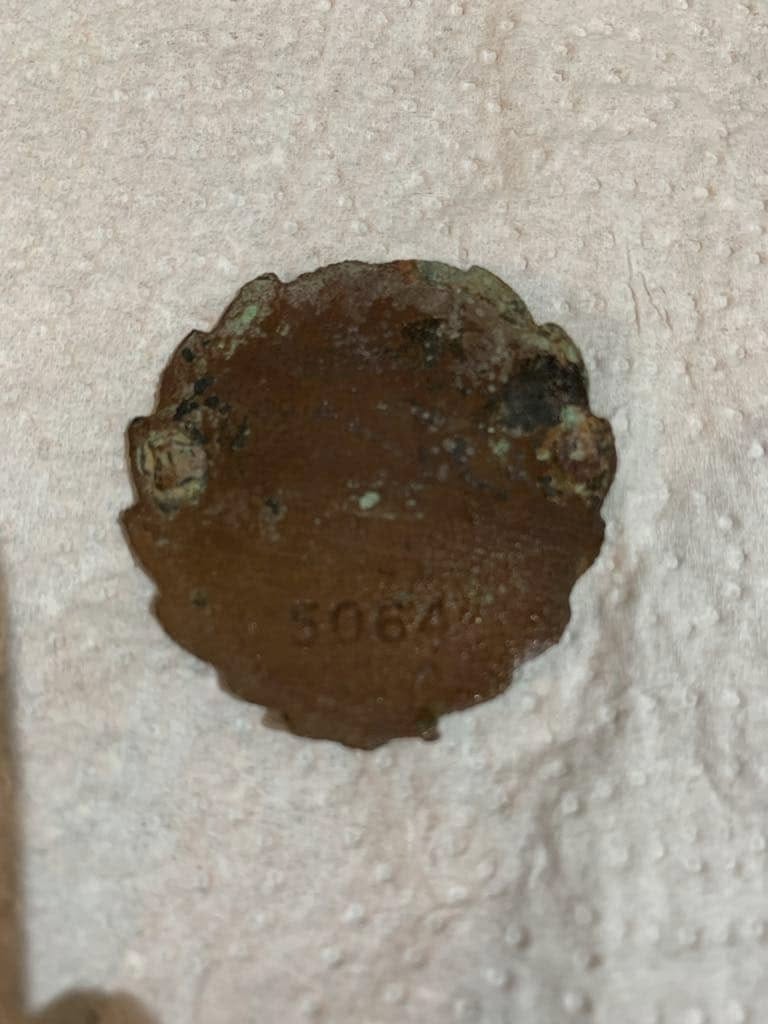
The reverse side of the badge which shows the issue number

